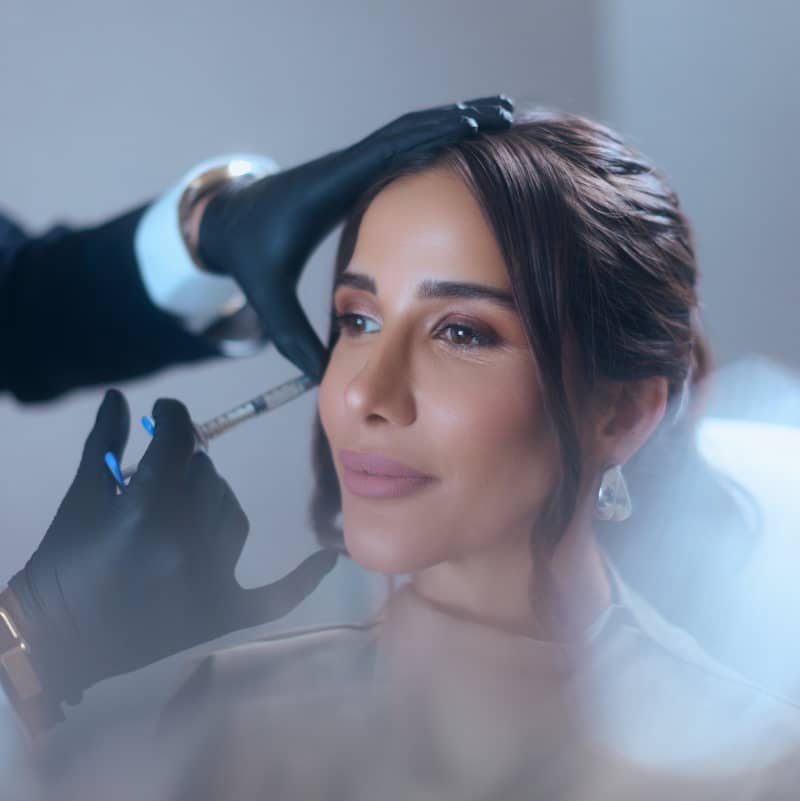
Skin rejuvenation in Dubai has become one of the most in-demand areas of aesthetic medicine in the region, and for good reason. Dubai accelerates skin ageing in ways that surprise even long-term residents. The year-round UV index, extreme heat, and constant cycling between air-conditioned interiors and outdoor humidity strip moisture from the skin barrier, break down collagen faster than in cooler climates, and drive hyperpigmentation. Clinics across the city report steadily growing demand for facial rejuvenation treatments, a trend that has been building for well over a decade.
Dubai now offers a broad array of skin rejuvenation treatments comparable to major aesthetic centres worldwide. You can choose from quick-refresh facials with zero downtime, clinically advanced laser resurfacing for deeper correction, regenerative treatments like PRP, or fully integrated longevity programmes at clinics like Longevity Hub By Clinique La Prairie that treat skin health from the inside out. Knowing which option actually matches your concern is where most people get stuck.
By the end of this guide, you’ll know which treatments suit your specific skin issues, what realistic costs and recovery look like in Dubai, and exactly what to verify before booking a consultation anywhere.
Why Dubai’s Environment Makes Skin Rejuvenation More Relevant Here
Dubai’s UV index sits consistently high throughout the year, which means collagen breakdown, surface sun damage, and pigmentation develop faster than they would in Europe or East Asia. Residents often show signs of photoageing earlier than peers in cooler, lower-UV climates. The combination of sun exposure, low outdoor humidity, and heavy reliance on air conditioning also disrupts the skin’s moisture barrier, making preventive and restorative treatments more important here than in most other cities.
From a regulatory standpoint, Dubai is genuinely well-governed for aesthetics. The Dubai Health Authority (DHA) and Abu Dhabi’s Department of Health (DOH) require all aesthetic practitioners to hold approved licences, and laser treatments specifically must be performed by licensed healthcare professionals in licensed facilities. This regulatory baseline has attracted internationally trained dermatologists and cosmetic physicians, while the city’s high-net-worth resident and tourist population has pushed clinics to invest in advanced technologies. The market has attracted practitioners and devices on par with major aesthetic centres in London, Seoul, and Zurich.
The trend has also shifted beyond single sessions. Patients are increasingly asking for structured, results-oriented skin programmes rather than isolated procedures, and clinics offering a comprehensive approach are seeing the strongest demand growth as a result.
The Most Popular Skin Rejuvenation Treatments Available in Dubai
Each treatment category targets a different layer of the skin and a different type of concern. Knowing what each one actually does helps you focus on what’s relevant to your situation rather than what happens to be on promotion.
Laser Resurfacing and Energy-Based Devices
Laser resurfacing and energy-based devices are the workhorses of the field. Fractional CO2 and Erbium lasers deliver controlled energy to targeted skin layers, stimulating collagen production and removing damaged surface cells. They produce clinically significant results for scars, texture, and deeper wrinkles, but the trade-off is recovery time. Light laser treatments typically need one to three days; medium to strong resurfacing can mean five to seven days or more, with continued improvement over several weeks as collagen remodels. RF microneedling sits in the same family: it combines tiny needles with radiofrequency energy to stimulate collagen with somewhat less surface disruption than ablative lasers, making it a practical choice for patients who want meaningful improvement without a long recovery window. For a clear comparison of the choices between more aggressive and gentler resurfacing options, see this guide on ablative vs non-ablative laser treatments.
Key Takeaways
- Skin rejuvenation in Dubai is vital due to high UV exposure and heat, which accelerate aging effects.
- Clinics offer diverse treatments like laser resurfacing, PRP, and HydraFacial to target specific skin concerns.
- Patients increasingly seek structured programs over single treatments for more comprehensive results.
- Regulatory measures ensure that practitioners are licensed, emphasizing the importance of qualified professionals for effective care.
- Consultations should prioritize thorough skin assessments to tailor treatment plans, focusing on individual skin needs.
Estimated reading time: 9 minutes
PRP, Microneedling, and HydraFacial
PRP (platelet-rich plasma) uses a small blood draw processed to concentrate growth factors, then re-injected or microneedled into the skin. The science supports its use for wrinkles, tone, elasticity, and periorbital areas, but results are gradual and cumulative. A course of three sessions is the clinical standard for visible improvement, with results developing over weeks rather than days. HydraFacial-style treatments sit at the lighter end of the spectrum: they cleanse, exfoliate, and infuse serums in a single session, producing an immediate glow with zero downtime. They work well for surface refresh but are not the right tool for addressing scars, laxity, or deep wrinkles.
Chemical Peels and Injectables
Chemical peels use acids to exfoliate the outer skin layers, and depth determines both results and recovery. Light peels address brightness and mild uneven tone with one to three days of flaking. Deeper peels can significantly improve texture and scarring but require up to two weeks of proper aftercare. Injectables, including Botox, dermal fillers, and skin boosters, address different problems: Botox softens expression lines with zero downtime, fillers restore volume immediately (with a one-week buffer recommended before major events), and skin boosters improve hydration and surface radiance over a course of sessions.
Matching Treatments to Specific Skin Concerns
The most common concerns seen in Dubai clinics each have a preferred protocol. Knowing the match saves both time and money.
Acne scars and textural irregularities respond best to fractional laser resurfacing and RF microneedling for rolling and boxcar scars.
For deeper, tethered scars, subcision combined with PRP or fillers is frequently used to release the scar tissue and support the repair process simultaneously.
Combination protocols are the standard at reputable clinics: a course of microneedling with PRP followed by a fractional laser session addresses both collagen regeneration and surface refinement together.
Melasma and hyperpigmentation are notoriously tricky with lasers alone. Heat-based treatments can trigger a rebound darkening effect, particularly in the darker skin tones common in Dubai’s population (Fitzpatrick types III, VI). Chemical peels targeting the pigment layer, combined with strict sun protection and prescription topicals like tretinoin or hydroquinone-based combination creams, offer a more controlled first step. When a laser is appropriate, pico lasers are commonly used in Dubai because they deliver ultra-short energy pulses that tend to generate less heat than traditional devices. A multi-session course, combined with topical agents, produces the most durable outcomes.
Fine lines, early wrinkles, and mild skin laxity respond well to a combination of Botox for dynamic expression lines and RF microneedling for overall collagen stimulation. Skin boosters add hydration and radiance to surface-level concerns. This kind of layered approach is one of the most commonly used protocols in Dubai for patients in their late 30s to 50s.
Why Treating Skin from the Inside Out Produces Better Long-Term Results
Skin reflects internal health directly. Chronic inflammation, hormonal imbalances, poor nutrient absorption, and high oxidative stress all accelerate visible ageing. Treating the surface without addressing these drivers means results fade faster and require more frequent maintenance. Research into integrative aesthetics suggests that combining procedural treatments with nutritional support and systemic wellness protocols may extend and enhance outcomes, though the evidence base continues to develop; see a recent clinical review on systemic approaches to skin ageing for more on the evolving evidence.
At Longevity Hub Dubai By Clinique La Prairie , prevent aging aesthetics sit within a broader regenerative medicine framework rather than operating as isolated cosmetic procedures. The clinic’s Glow signature experience combines targeted facial treatments and minimally invasive cosmetic procedures with systemic protocols including IV micronutrient therapy, light therapy, and personalised nutrition planning. Each programme is informed by the clinic’s Longevity Index assessment, a comprehensive biological profile designed to personalise both health and skin treatment planning. The team includes Swiss-trained therapists and specialists with backgrounds in internationally recognised longevity medicine, ensuring treatment decisions are matched to the individual rather than applied generically. You can explore their documented Experiences, Longevity Hub by Clinique La Prairie to see how signature programmes are structured, and learn more about their core Aesthetics, Longevity Hub by Clinique La Prairie and Wellbeing, Longevity Hub by Clinique La Prairie offerings.
Given Dubai’s chronic UV exposure, high lifestyle stress, and accelerated ageing pace, a purely surface-level approach consistently produces shorter-lived results. Pairing rejuvenation treatments with systemic support is, for many patients, simply the more logical strategy for holding results longer.
How to Choose the Right Skin Rejuvenation Clinic in Dubai
All aesthetic practitioners in Dubai must hold current DHA licences, and laser treatments specifically require practitioners to have the appropriate DHA-recognised laser training certificate in addition to their base professional registration. Verify both the clinic’s facility licence and the individual practitioner’s licence directly through the DHA’s published standards for non-surgical cosmetic procedures and online portal before booking any treatment. For more complex procedures like fractional CO2 resurfacing, look for board-certified dermatologists or plastic surgeons, and consult listings of the best dermatologists in Dubai to identify experienced specialists. For lighter aesthetic treatments, a licensed cosmetic physician with documented training in the specific technology is the minimum standard to accept.
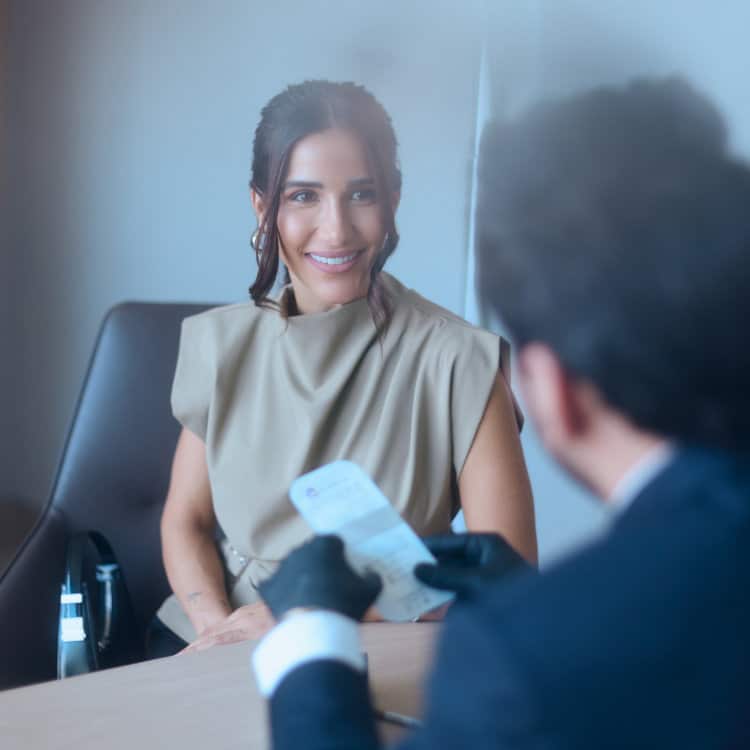
A reputable clinic always begins with a thorough skin assessment before recommending treatments. If a clinic moves straight to pricing without assessing your skin type, tone, and medical history, that’s a clear red flag. Ask specifically about the device model being used, the practitioner’s experience with your exact concern, and what a realistic result timeline looks like. Any clinic that promises dramatic outcomes from a single session without explaining the full course of treatment warrants caution.
Promotions are common across Dubai’s aesthetic market; some discounted offers may involve older devices or less experienced operators, so it’s worth verifying the device model, practitioner credentials, and what aftercare is included. A paid consultation at a credible clinic gives the practitioner enough time to properly assess your skin and recommend a treatment sequence that fits your concerns. That investment almost always translates to better outcomes and fewer sessions spent on the wrong treatment.
The Right Approach Starts with the Right Assessment
Skin rejuvenation in Dubai is not a one-size-fits-all market. The right treatment depends on your specific concern, skin type, recovery tolerance, and long-term goals rather than on what’s currently trending or heavily promoted. Whether you’re addressing acne scars with fractional laser, managing melasma with a structured peel protocol, or pursuing a broader anti-ageing programme that works from the inside out, a proper clinical assessment before any treatment begins is non-negotiable.
Clinics like Longevity Hub Dubai that integrate aesthetics with systemic health represent where the field is heading: measurable, personalised, and designed to hold results across the long term. If you take one step, make it a proper consultation. The questions you ask there, about your skin type, your timeline, and the full course of treatment, will shape everything that follows.